The short answer
The endings examine what happens when a park sees itself through a selective news camera. Hostility, kindness, silence, and celebrity offer different conclusions to that same feedback loop. The interpretation below is editorial analysis of the recorded scenes, not a claim of developer-confirmed canon.
The park learns from the picture
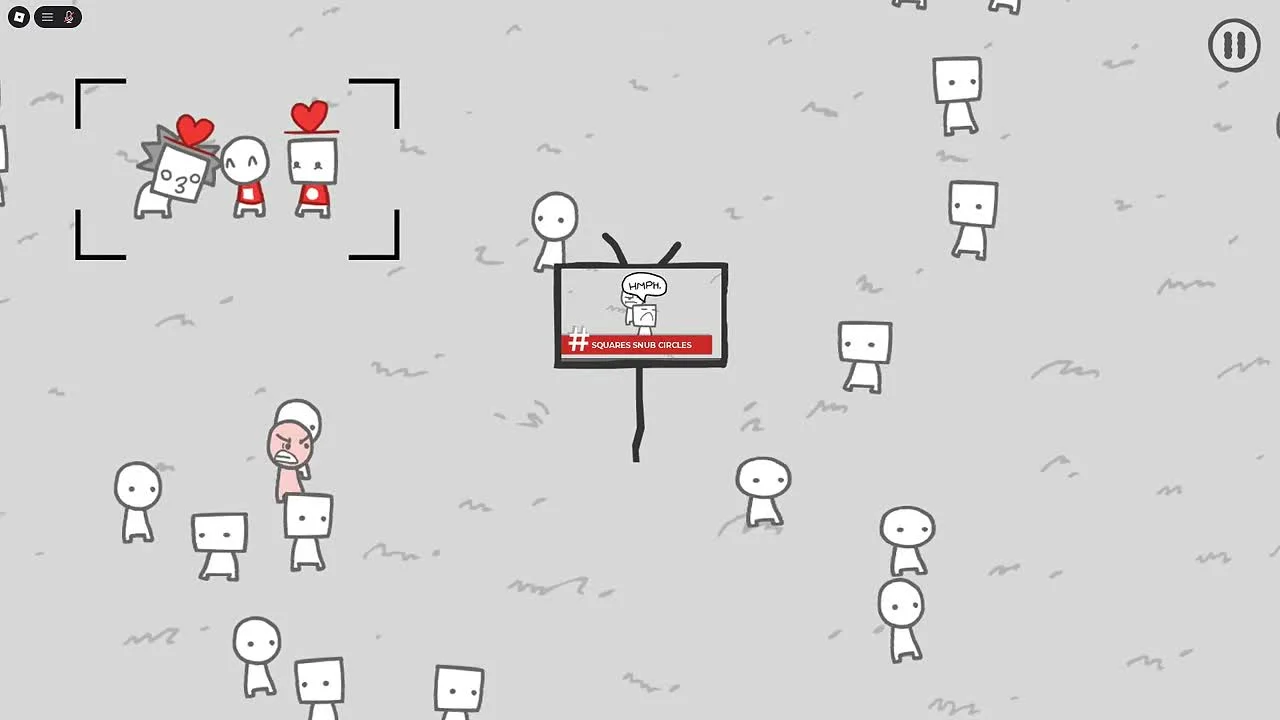
At the start, the park is a collection of ordinary visitors. Your photographs select a small part of that world, and the television presents that selection as the story everyone should notice. The crowd then responds, creating new scenes for the next photograph.
The important storytelling device is the feedback loop. A photo does more than document a reaction: after it becomes news, it can help produce another reaction. The player supplies the image while the station supplies the framing. That division explains why the same park can support so many outcomes.
Viral, Scared, and the price of attention
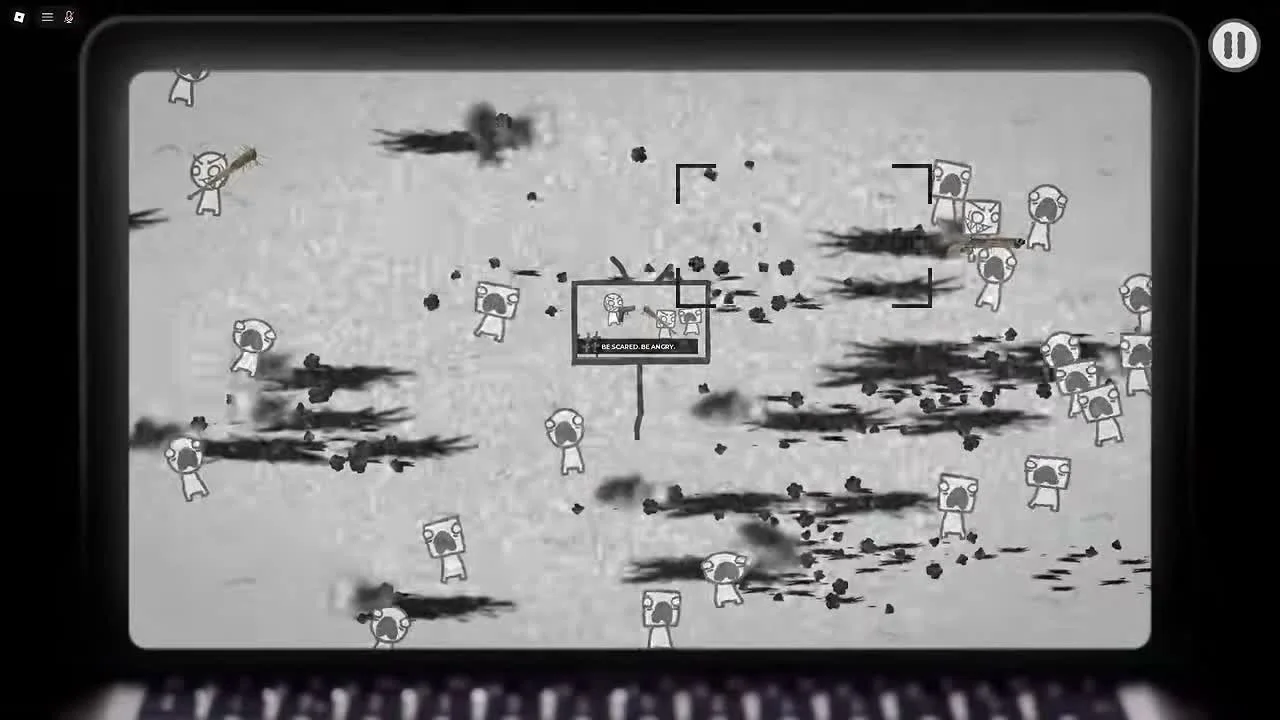
Viral follows the escalation of public hostility until the camera pulls back from its consequences. Scared instead concentrates on frightened reactions. Both routes can begin with similar characters, but the chosen subject changes the story the park receives.
Hat and Eyes Closed complicate that cycle in different ways. One keeps returning attention to a comparatively ordinary subject; the other reaches a point where the photographer stops contributing more images. These are readings of the route decisions, not proof that either is the single intended moral answer.
Good and Peace show a different feedback loop
The rescue and kindness sequence in Good gives the park another kind of example to imitate. Peace reaches a different hopeful conclusion through the couple and the late crowd. Their separation matters: the game records more than one way for a run to turn away from conflict.
Neither title by itself establishes a true or canonical ending. The named cards tell you what you collected. Choosing a personal favourite is different from claiming the developer selected one official interpretation.
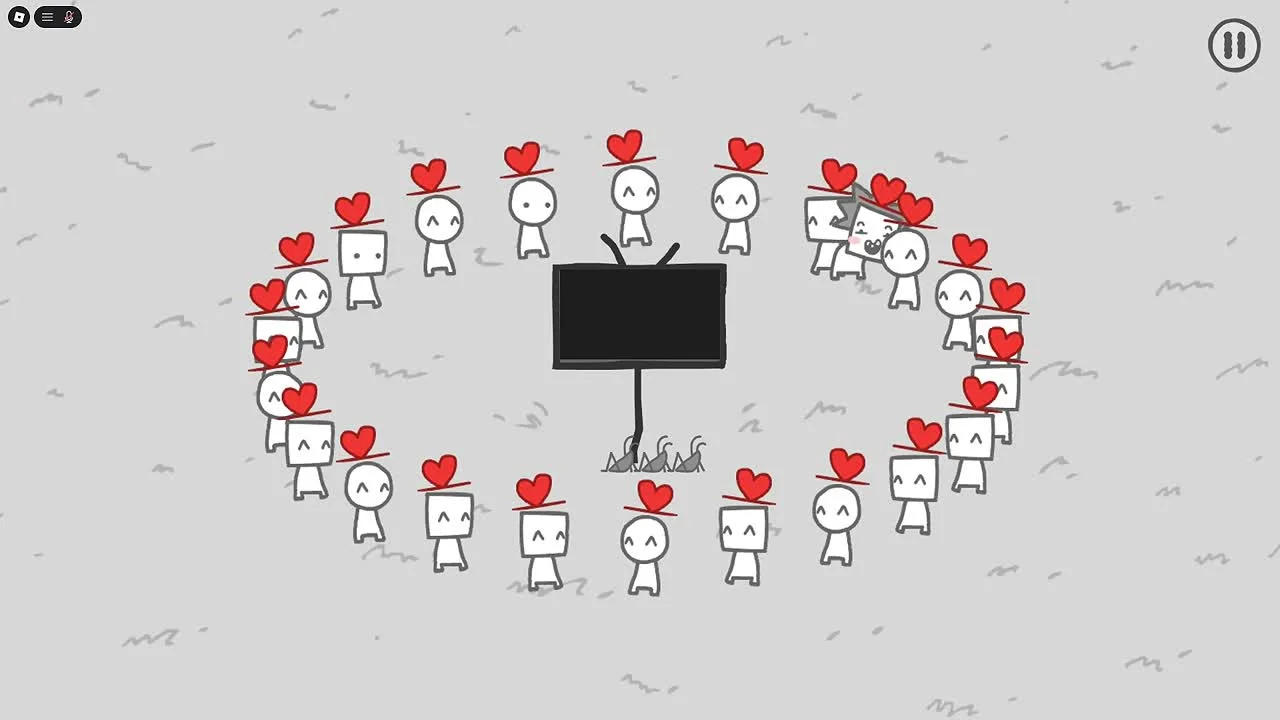
Follow the Money and Breaking News question the newsroom
Breaking News asks what the station does when the photographer supplies no useful event. The resulting staged spectacle changes the question from whether a photo is accurate to whether the event itself has been manufactured.
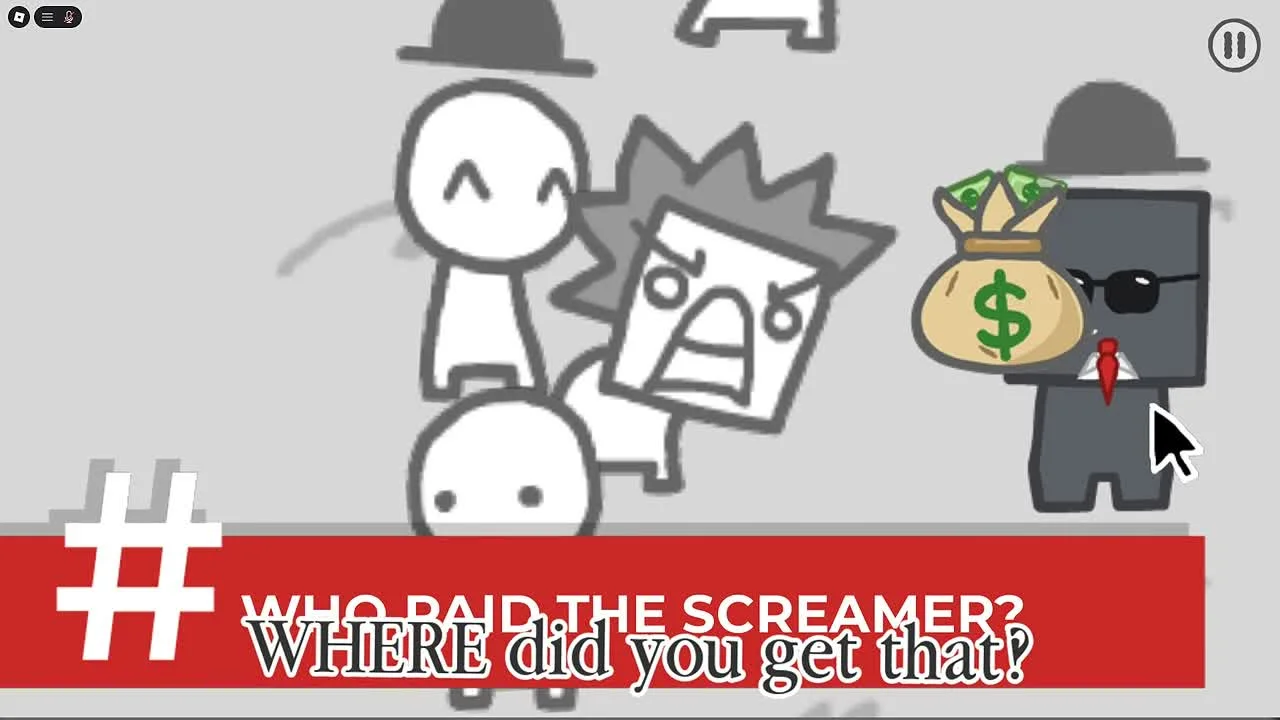
Follow the Money turns attention toward the suited figure and the payment behind the public reaction. The newsroom tries to move the camera away, which makes the choice to keep following that figure narratively significant. The ordinary crowd is no longer the only subject worth examining.
Off Air and Star change the use of the broadcast
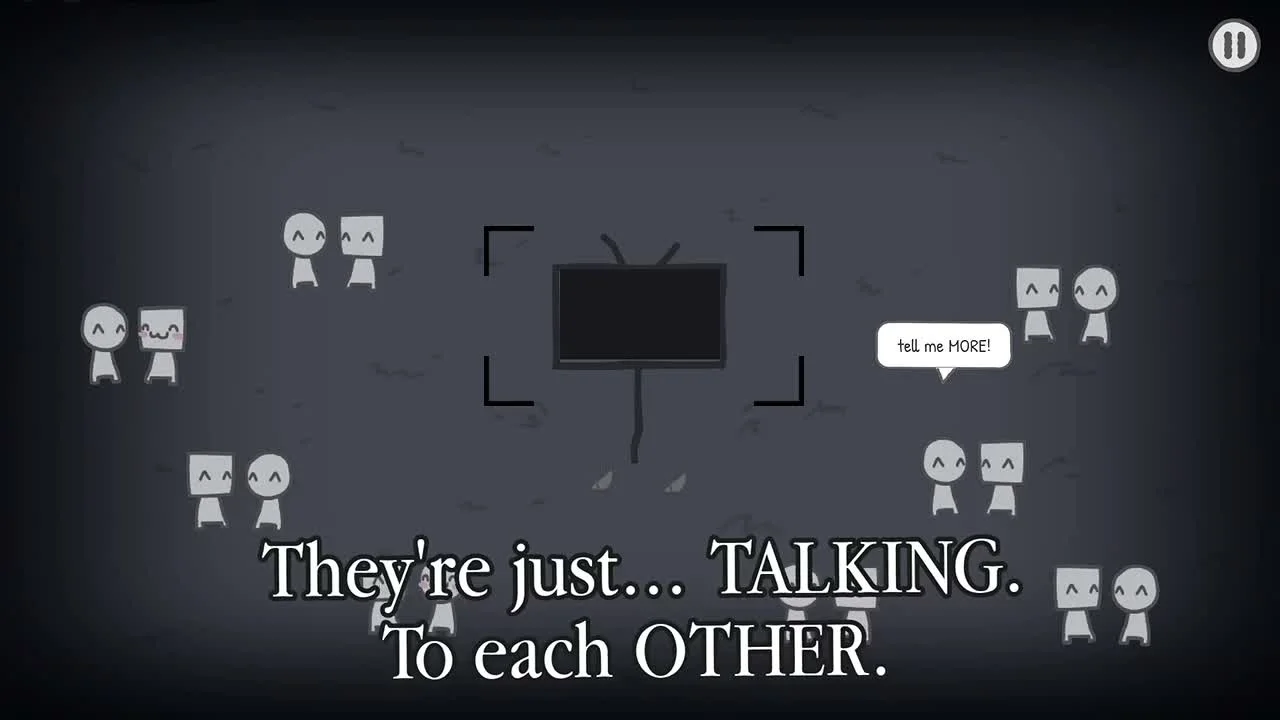
Off Air withholds the opening photographs and eventually shows residents talking without the usual television programme directing their attention. Star moves the opposite way: repeated coverage concentrates attention on one person until celebrity becomes the programme itself.
Together with TV, Reverse, and the namesake portrait route, these endings ask who is watching whom and what repeated attention does. The practical lesson for collecting them is also the storytelling device: change what the camera selects, then watch the world answer.
Questions about this route
Is this interpretation official?
No. It is editorial analysis based on the recorded scenes and route decisions.
Which ending is canon?
The reviewed material does not establish a single canonical ending. This guide treats the collection cards as separate outcomes.